
Das chilenische Energieministerium hat einen vorläufigen langfristigen Energieplanungsbericht veröffentlicht, der Prognosen enthält. 27 GW bis 58 GW zusätzliche Solarkapazität in den nächsten 30 Jahren unter fünf verschiedenen Entwicklungsszenarien.
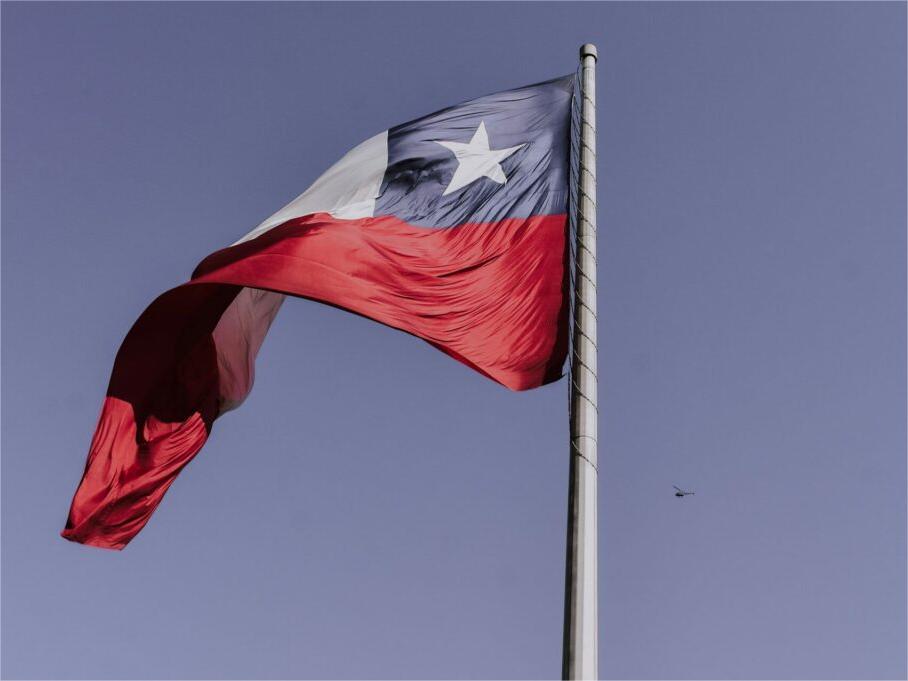
Laut dem vorläufigen Bericht für Chiles Langfristiger Energieplan 2028–2032 (PELP)Die Solar-PV-Kapazität des Landes könnte bis 2057 um 27 GW auf 58 GW steigen.
Die Bandbreite spiegelt fünf Szenarien wider, die durch Unterschiede im Wirtschaftswachstum, den Treibstoffkosten, der technologischen Entwicklung und der Energiepolitik geprägt sind. Das Modell beginnt mit 12.015 MW bestehende SolarkapazitätDies umfasst sowohl Großkraftwerke als auch kleine dezentrale Erzeugungssysteme. Zusätzlich werden 490 MW, die im Rahmen der Netzeinspeisung betrieben werden, berücksichtigt und direkt vom Bedarf im Modell abgezogen.
Die Prognosen dienen als Grundlage für die jährliche Planung des Netzausbaus der Nationalen Energiekommission. Der Bericht schätzt außerdem, dass Die Onshore-Windkraftkapazität könnte um 16 GW auf 27 GW steigen. über den gleichen Zeitraum.
In allen fünf Szenarien hängt die optimale Erweiterung des chilenischen nationalen Stromsystems maßgeblich von Folgendem ab: Neue Photovoltaik-Kapazitäten in Nordchile, kombiniert mit Onshore-Windparks in den zentral-südlichen Regionen Maule und Biobío.
Die Entwicklung der Solarenergie ist eng mit der Speicherung von Energie in Batterien verknüpft, insbesondere in Szenarien, die von höheren Preisen für fossile Brennstoffe, der Stilllegung von Kohlekraftwerken und der Einbeziehung einer Kohlendioxidsteuer in die variablen Erzeugungskosten ausgehen.
Das Modell beginnt mit 4.078 MW Batteriespeicherkapazität Die Anlagen sollen voraussichtlich bis Ende 2026 in Betrieb gehen oder sich im Bau befinden und eine durchschnittliche Speicherdauer von 4,3 Stunden aufweisen. Der Großteil dieser Kapazität konzentriert sich auf Nordchile, mit 56 % in Antofagasta, 15 % in Atacama und weiteren 15 % in Tarapacá.
Der Bericht zeigt, dass zukünftige Investitionen erforderlich sein werden. längerfristige EnergiespeicherungIn mehreren Szenarien werden Batteriesysteme mit einer Laufzeit von sechs bzw. acht Stunden als wichtiger Bestandteil der Kapazitätserweiterung eingesetzt. Dadurch kann die Solarstromerzeugung vom Tag in die Abendstunden verlagert werden, und es wird zusätzliche Flexibilität in Zeiten geringer Sonneneinstrahlung geboten.
Batteriespeicher sind die einzige Energiespeichertechnologie, die als neue Kapazität im Modell berücksichtigt wird. Die Prognosen beinhalten keine neuen Pumpspeicherkraftwerke, Wärmespeicher oder andere aufkommende Speichertechnologien.
Der Bericht enthält außerdem die erste Analyse der Offshore-Windenergie. Die Technologie wird in drei der fünf SzenarienVorausgesetzt, die Kosten sinken moderat oder günstig. Der frühestmögliche Beginn der Offshore-Windenergieerzeugung wird für 2041 prognostiziert, während andere Szenarien einen Entwicklungsbeginn ab 2048 vorsehen.
Bis zum Ende des Prognosezeitraums Es wird erwartet, dass mindestens 83 % der jährlichen Stromerzeugung aus Solar- und Windenergie stammen werden.Die Drosselung der Erzeugung erneuerbarer Energien wird auf 9 bis 12 % geschätzt, verglichen mit einem aktuellen Basiswert von 7 %.
Der rasche Ausbau erneuerbarer Energien wird zusätzliche Investitionen in die Übertragungsnetze erfordern.
Der Bericht stellt fest, dass die Kapazität der Der Übertragungskorridor Charrúa–Ancoa–Alto Jahuel–Lo Aguirre soll um mindestens 1.750 MVA auf der 500-kV-Ebene erweitert werden.Die Verstärkung würde es ermöglichen, dass in Zentral- und Südchile erzeugter Windstrom über die zukünftige Übertragungsleitung Kimal–Lo Aguirre wichtige Verbrauchszentren und nördliche Regionen erreicht.
Der Plan beinhaltet auch eine weitere Expansion von Chiles 220-kV-ÜbertragungsnetzIn allen untersuchten Szenarien muss die Kapazität einiger bestehender Übertragungsleitungen möglicherweise um das Sechsfache erhöht werden. Die Gebiete mit dem größten Bedarf an zusätzlicher Kapazität sind Antofagasta in Nordchile und Maule in der Zentralregion.
In allen Szenarien wird ein Anstieg des gesamten Energiebedarfs Chiles prognostiziert. 4,1 % bis 47,8 % Die Ergebnisse hängen im Planungszeitraum maßgeblich vom BIP-Wachstum und dem Tempo der wirtschaftlichen Elektrifizierung ab.
Der Verkehrssektor bleibt der größte Energieverbraucher. Unter den gegebenen regulatorischen Rahmenbedingungen wird mit einer verstärkten Nutzung von Elektrofahrzeugen, Elektrotaxis und Elektrobussen gerechnet, während Wasserstoff im Schwerlastverkehr ebenfalls eine Rolle spielen könnte.
Der Stromverbrauch aus Bergbau und Industrie dürfte ebenfalls steigen, Rechenzentren entwickeln sich zu einer neuen Quelle struktureller StromnachfrageDer Bericht schätzt, dass die Kapazität von Rechenzentren im Jahr 2024 bei 198 MW lag und bis 2030 etwa 594 MW erreichen könnte. 900 MW bis 2057Die
Einzelpersonen und Organisationen, die im PELP-Verfahren registriert waren, konnten bis zum 24. August Stellungnahmen zum vorläufigen Bericht einreichen. Anschließend wird das Energieministerium den endgültigen Bericht erstellen, der einer weiteren Prüfung und der Veröffentlichung des entsprechenden Energieplanungsdekrets folgt.

Es ist derzeit einer der größten Exporteure von Photovoltaikprodukten in China.
 IPv6-Netzwerk unterstützt
 Deutsch